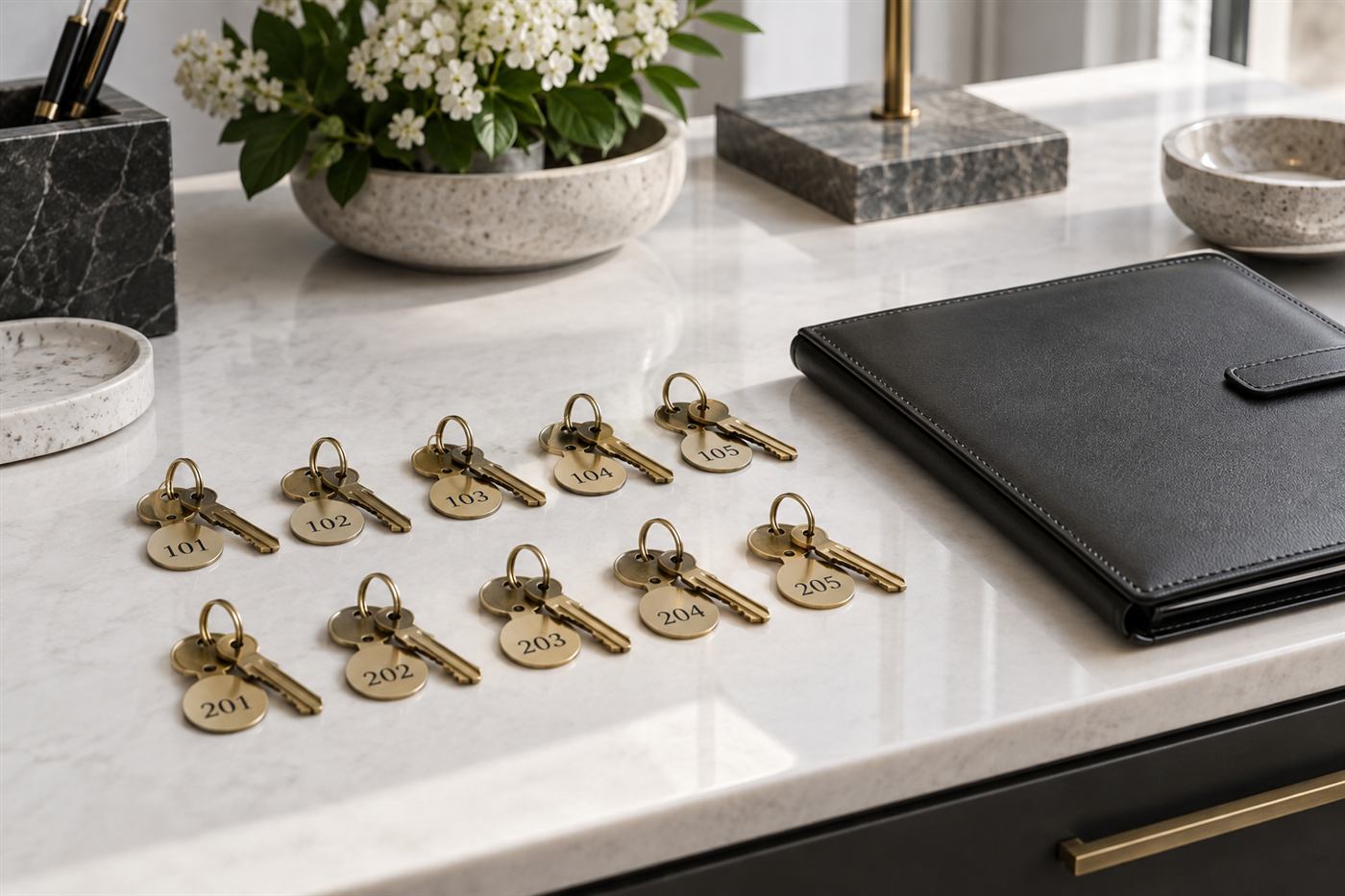
Lauderhill: a city of apartments and condominiums
Lauderhill sits in central-west Broward County, with University Drive, Oakland Park Boulevard, Sunrise Boulevard and Commercial Boulevard among its important roads. A large share of its homes are in multifamily buildings and communities, including garden apartments, condominiums and townhomes, alongside single-family neighborhoods and shopping areas. Many residents are renters, and many buildings are managed by property managers or associations.
For a locksmith, that means a large proportion of calls involve someone other than the person at the door. The tenant calls, but the landlord owns the lock. The owner calls, but the association controls the building entry. The manager calls, on behalf of ten units. A legitimate locksmith must work out who has the authority to approve the work, because changing a lock for the wrong person can lock an owner out of their own property.
Quotes are given only by phone. Simple jobs can be priced before dispatch. Multi-unit work and complicated repairs need an on-site look, and a service call charge applies for that visit, explained on the phone before anyone is sent. A technician cannot promise an arrival time, but dispatch will tell you what is known when you call.
Landlord rekeys and tenant turnover
In rental housing, turnover is constant, and so is the need to make sure the last tenant's keys no longer work. A tenant may have made copies for a friend, a partner or a relative. A previous tenant may never have returned a key. Rekeying between tenants solves that, and it is a standard step for responsible landlords.
For a landlord with many units, planning pays. Decide which keyway each building or unit uses, keep a record of keys cut and issued, and schedule rekeys right after move-out and before move-in. Tell dispatch how many doors are involved, whether each unit has a single exterior door or several and whether a master key is needed. A technician can often rekey many doors in one visit if everything is organized. See apartment turnover rekey and post-move-in rekey.
Landlords also face questions about legal duties for lock safety. Rules differ by situation, and this page cannot give legal advice. What a technician can do is ensure that locks work, that keys match records and that doors close and latch as they should. A broader view is in the guide on landlord lock responsibilities.
Tenants: lockouts, lost keys and who to call
A tenant who is locked out has a particular problem: the lock is not theirs. The first call should usually go to the landlord or property manager, who may have a spare or a maintenance person who can open the door. Many leases explain what to do and what charges may apply. If the landlord cannot be reached, a locksmith can help, but the technician will want to confirm that you live there, and may want to confirm with the landlord.
Proof for a tenant can include a lease, a photo ID with the address, a utility bill or a message from the management. If you do not have these with you, tell dispatch. The technician may suggest other ways to verify. The rule is not meant to make life hard. It is the same rule that stops a stranger from claiming to live in your apartment.
If you lose a key, tell your landlord. Many leases require that you do not change locks yourself, and some landlords will rekey at your request. Do not alter the lock without permission, since that can breach the lease. If you feel unsafe, such as after an ex-partner has kept a key, talk to the landlord and, if there is a threat, to the authorities. See tenant locked out by landlord problems and ex-partner has keys.
Shared doors: lobbies, laundry rooms and stairwells
Multifamily buildings have shared doors, and these are among the hardest-working locks in the building. A lobby door opens and closes hundreds of times a day. A stairwell door slams. A laundry room door is propped open for a basket. A mail room door is unlocked by many hands. All of that wears hardware out and creates security gaps.
The usual failures are predictable: a closer that no longer pulls the door shut, a latch that does not catch, a strike plate that has bent and a lock cylinder clogged with dirt. A door that does not latch is not locked, no matter how strong the lock. Tenants who notice a shared door that does not close should tell management, since a gap in the building's security affects everyone.
Managers can set up a routine check of shared doors: walk the building, push each door to see whether it latches, test keys and fobs and note anything that sticks. Small repairs now prevent urgent calls later. See commercial door closer service, panic bar and exit device service and multi-family building lock service.
Key control for managers and boards
Key control is the backbone of a safe multifamily property. Who holds the master key? Who has keys to utility rooms, roofs and storage cages? Where are spare unit keys stored, and how are they signed out? In many buildings, the answers are vague, and keys drift. When a maintenance worker leaves, nobody is sure what they still hold.
A clear system has a few elements. Every key is recorded. Master keys are limited to people who need them. Spare unit keys are kept in a locked, logged box. Keys are collected when someone leaves their role. Restricted key blanks make unauthorized copies harder. See property manager lock service, key control programs and restricted keyway systems.
If your records have fallen behind, a reset can be done: rekey the key doors that matter most into a new system, issue keys with a log and retire the old keys. It takes planning but results in a building where a lost key is a minor event instead of a crisis. A technician can help design the system and carry it out in stages.
Community doors, gates and fob systems
Many Lauderhill communities have a gate, a pool, a clubhouse or a fitness room, each with its own lock. Pool gates, in particular, must latch on their own and cannot be left propped. A broken self-closing latch on a pool gate is a safety problem to be fixed quickly. See pool gate and door security.
Fob and card systems are common in larger complexes. When a fob stops working, the cause may be a dead battery, a damaged fob, a faulty reader or an update problem. If one person is affected, it is probably the fob. If everyone is affected, the reader or the controller is at fault. A locksmith can service the door hardware, such as the electric strike and the mechanical key override. The programming of the central system is usually done by the system vendor. See access control and electronic lock service.
Lost fobs should be deactivated promptly. A management office can do this, and doing so removes the risk that someone else uses the fob. Keep a list of who holds each fob and collect them when residents move out.
Safety first: fire exits and unit doors
Residents depend on doors to open when they must. A unit door must open from inside without a key in an emergency, and hallways and stairwells must stay clear. A lock that traps people is a hazard. Do not add extra locks, chains or bars that can block exit in a fire. Keep keys in a known place near the door.
Fire-rated unit doors in apartment and condominium buildings are tested as an assembly of door, frame, closer and latch. Altering a rated door by drilling it or changing hardware to something that is not approved can create a violation. A technician with experience will check what is installed before changing parts, and will tell you if a requested change is a concern.
If you smell smoke or see a fire, leave and call 911. Do not stop to look for keys. See fire safety and door locks for a plain overview.
Cars and parking lots in large communities
Big residential communities have big parking lots, and car key calls are common. Lockouts, lost fobs, broken keys and dead key batteries all happen. Many cars now use transponder keys or push-button start, and a replacement must be programmed. Have the registration and your ID ready, and give the make, model and year when you call.
If you have a working key, make a spare while you can. Copying is simpler than creating a key when none exists. Keep the spare at home, not in the car. See car key replacement, spare key duplication and key fob programming.
If a child or a pet is locked inside a car, call 911 first. Heat builds quickly and emergency responders can act without delay. A locksmith is the right call for non-emergency lockouts.
Doors that stop locking after a break-in attempt or damage
Sometimes a call begins with damage. A door frame has been splintered by a kick, a lock has been drilled or a latch has been pried. Whatever the cause, the unit is now hard to secure, and the occupant needs it closed up the same day. A technician can often make a door lock again with a repair, such as a new strike plate with long screws, a repaired frame section or a replacement lock set. If the damage is severe, the technician may secure the door temporarily and explain what a full repair will need.
After any break-in, report it to the police and your landlord, and take photographs before anything is changed, since insurance or the lease may require them. Do not clean up before you have documented the scene. A locksmith can rekey or replace the locks right away, which matters because the intruder may have taken keys or may know how the lock behaved. See break-in repair and lock securing and door frame damage from forced entry.
Signs of an attempt that failed are worth noticing too: scratches around the keyway, a bent strike plate, new gouges in the frame or a lock that suddenly feels different. Tell your landlord and have the lock checked, since a lock that has been tampered with may no longer hold. See signs of lock tampering for what to look for.
In a multifamily building, one damaged door can point to a wider problem, such as a broken lobby latch or a propped stairwell door that lets strangers in. Tell management about any pattern you see, since the fix may be at the building level and not at your own door. A locksmith can examine the shared doors if management requests it, and can recommend repairs in order of importance.
Preparing for a call, whether you are a tenant, owner or manager
Start with who you are in relation to the property: tenant, owner, manager or association member. Tell dispatch, because it affects what authorization is needed. Give the address, the unit, the building and any gate instructions. Describe the problem in a sentence or two. If you are calling for several units, give the number and say whether you want a master key.
Gather proof: a lease, a photo ID, an ownership document, a management letter or a utility bill. For a manager, a document showing authority over the property helps. For a vehicle, bring the registration and your ID. If you are calling on behalf of someone else, have their number so the technician can confirm.
When you are ready, call, tell us what is happening at your Lauderhill property and we will talk through the options. A quote is given on the phone where possible, and the service call charge is explained before anyone is sent.
Questions people ask
Can a tenant call a locksmith without the landlord?
A locksmith can help a tenant who is locked out, but will want to confirm that the person lives there, sometimes by contacting the landlord. A lease, a photo ID with the address or a bill helps. Do not change locks yourself without permission, since a lease may forbid it.
How many doors can be rekeyed in one visit?
It depends on the doors and the lock types, but many units can often be done in one visit if the job is organized. Tell dispatch how many doors, what kind of locks and whether a master key is wanted. Quotes are given by phone, and large jobs may need an on-site look first.
Why do landlords rekey between tenants?
Because nobody can know how many copies of the old keys exist. Rekeying makes the old keys useless and issues a fresh set. It protects the new tenant, and it protects the owner too. It is a routine step for responsible landlords and property managers.
A lobby door does not latch. Who should fix it?
Tell the building manager or association right away, since a door that does not latch is not secure. A locksmith can adjust or replace a closer, latch or strike plate. Describe the door and the symptoms on the phone and the technician will explain the work.
My gate fob stopped working. Is it the lock?
Probably not. A dead battery or damaged fob is the common cause. If many residents are affected, the reader or controller is likely at fault, which is usually the system vendor's job. A locksmith can check the door hardware and the key override.
Should I add an extra lock to my apartment door?
Be careful. Extra locks, chains or bars can block exit in a fire, and fire-rated doors have rules about alterations. Ask your landlord first. A technician can suggest options that improve security without creating a hazard, such as a better deadbolt or reinforced strike plate.
Describe the situation by phone and we will tell you what the job involves. Quotes are given by phone. Jobs that cannot be quoted without seeing them need a technician on site, and the service call charge is explained on the phone before anyone is dispatched.
(954) 906-9567Related pages
Setting up a clear key log for a small apartment building
Smaller apartment buildings often manage keys informally, with a few ring-bound sets in a drawer and a vague sense of who has what. When a tenant moves out, the question of whether that key was returned can go unanswered for months. A key log fixes this. It is a simple record listing each unit, the number of keys issued, the date they were given and the date they were returned. A manager who keeps this record can decide quickly whether a lock needs rekeying after a turnover. Mention any earlier repairs you remember, since previous work can explain why a lock behaves the way it does now.
The log pairs well with a stamped or coded key system. Instead of writing unit numbers directly on keys, use a code that only the manager can decode. If a key is lost, finding it does not tell a stranger which door it opens. A locksmith can recommend whether to use restricted keyways, which limit copying to authorized sources, and explain the added cost and effort. Restricted systems give better control but depend on keeping the paperwork current, and they may take longer to replace blanks when needed. Ask the technician to point out anything unusual they see, since a second pair of eyes often spots wear that daily use hides.
Train anyone who handles keys, including maintenance staff and part-time helpers, on the log. They should record each handoff and return key sets to a locked cabinet instead of a pocket. Make tenants sign when they receive keys, and tell them that duplicating keys without permission is not allowed. If the log reveals gaps, schedule a rekey of the affected locks rather than hoping for the best. The paperwork takes a few minutes, but it often saves repeated emergency calls later. If something about the plan feels unclear, say so before work starts, because the scope is explained first and you are welcome to ask questions.
Keeping interior unit doors working smoothly in older buildings
In older apartment buildings, interior and unit doors often have decades of paint, repeated hardware swaps and slight frame movement. A lock that feels stiff may actually be fighting a door that has dropped slightly on its hinges. A technician checks the hinge screws, looks at the gap along the latch side and watches how the bolt meets the strike plate. Tightening hinges, shimming one slightly or repositioning the strike can solve problems that would otherwise lead to a lock being replaced unnecessarily. Photos of the door, taken in daylight and from both sides, make it much easier to plan parts before the visit.
Paint is another culprit. Thick coats on the edge of the door or inside the strike plate prevent the latch from moving freely. Cleaning paint from hardware or replacing a plate that has been painted over can restore smooth operation. Where the lock itself is worn, a matching replacement or rekey keeps the unit consistent with the rest of the building. The technician looks at the whole assembly and explains the real cause of the trouble before recommending parts, so managers do not pay for solutions to the wrong problem. Writing down the key facts while they are fresh saves guesswork later and keeps the conversation focused when you call us.
Managers should ask tenants to report sticking locks early. A lock that works poorly often gets forced, and forced locks break, sometimes with a key snapped inside. Schedule periodic checks during unit turnovers, when doors are empty and easy to test. Keep a list of hardware types used in the building so replacements match. Consistent hardware across units reduces the variety of keys and parts that need to be stocked, and it makes repairs more predictable for everyone involved. It is reasonable to ask which parts are being kept and which are being replaced, and why each choice was made.