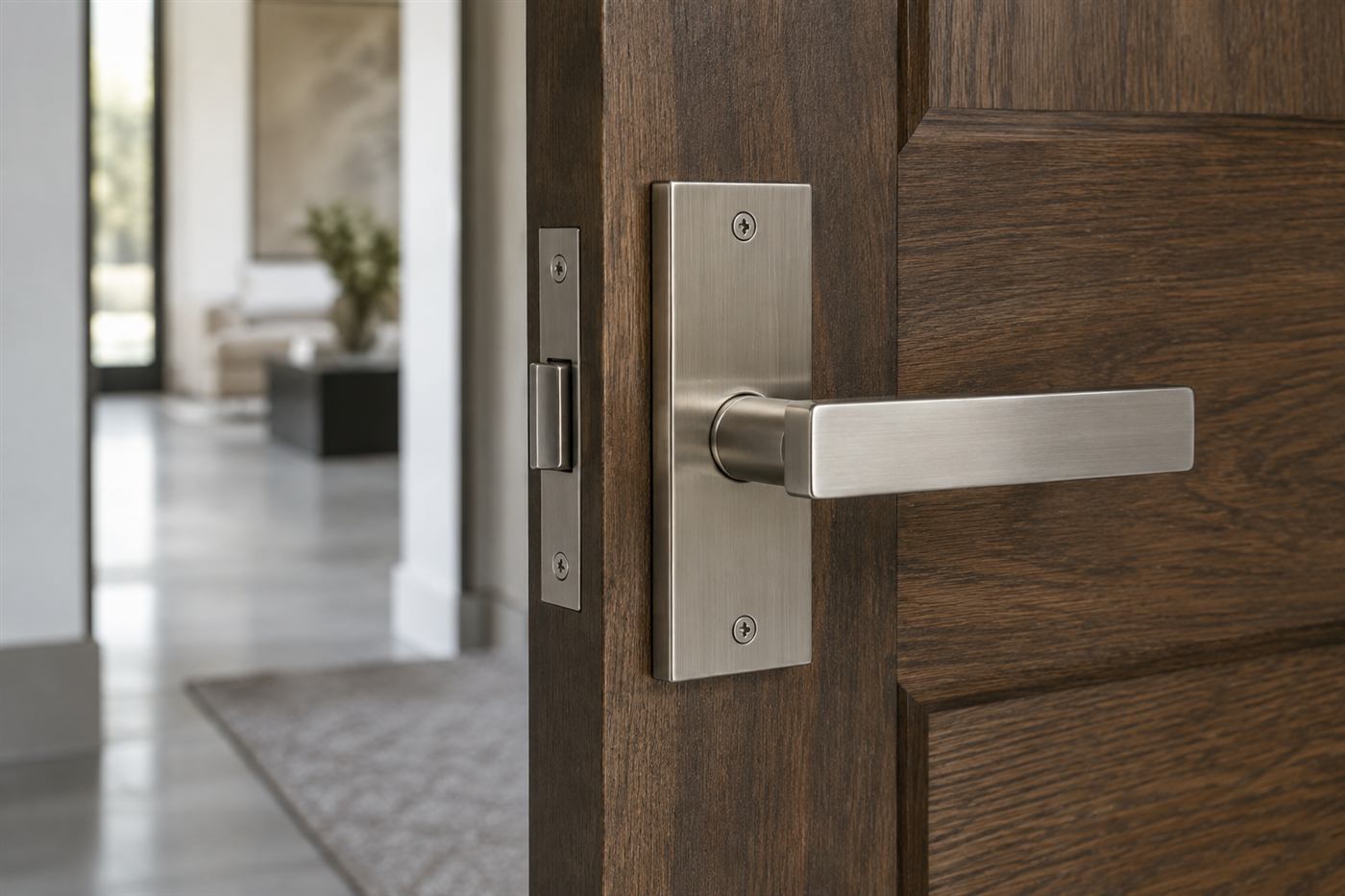
Searching for a locksmith near me in Coconut Creek? Boca Raton Mobile Locksmith sends a mobile technician to this city, with the quote given by phone before dispatch. See our locksmith near me page for how we cover all of south Palm Beach County.
Condo and townhome communities near the Butterfly Capital corridor, most with an HOA gate or courtesy officer to work around.
Quotes are given by phone before anyone is dispatched. Residential, commercial and automotive locksmith work, rekeys, lock replacement, high-security cylinders, master key systems, access control and lockouts. Call (954) 906-9567.
What happens when you call
Dispatch takes the details
Address, the door or vehicle involved, and what's actually wrong.
quote before anyone drives
Agreed on the phone, not renegotiated on your doorstep.
Tech arrives in Coconut Creek
Usually promptly, often sooner depending on where you are in Broward County.
Job done, receipt given
Ownership or ID checked first for lockouts and rekeys.
What we do, and don't
We do
Residential, commercial and automotive locksmith work
Flat pricing agreed before we drive
Damage-no-obligation entry wherever that's possible
Technicians who show ID
We don't
Open a door or vehicle without proof of ownership
Quote one price on the phone and change it on arrival
Drill a lock when it can be picked or bypassed
Sell hardware the door doesn't actually need
Coconut Creek ZIP codes we serve
Coconut Creek is governed by the City of Coconut Creek. For permits, code enforcement or municipal services, that's the official source, we're the locksmith, not the city.
Coconut Creek and how it is laid out
Coconut Creek is a mostly residential city in north Broward County, surrounded by Parkland, Coral Springs, Margate, Pompano Beach and Deerfield Beach. It calls itself the Butterfly Capital of the World, a nod to Butterfly World inside Tradewinds Park and to the city's focus on native plantings. The main roads, Lyons Road, Sample Road, Hillsboro Boulevard, Wiles Road, Johnson Road, State Road 7 and Coconut Creek Parkway, frame a patchwork of planned communities, each with its own entrance, rules and style of housing.
Much of the city is condos and townhomes rather than detached houses. Large condominium villages, garden-style apartment complexes and townhome rows sit alongside single-family neighborhoods. Nearly all of them are organized under an HOA or condo association, and many have a gate, a guardhouse or a roving courtesy officer. For locksmith work, that means the question of who owns which lock, and who needs to approve a change, comes up more often here than in cities made up mostly of detached homes.
The commercial side of the city is concentrated along State Road 7, around the Promenade at Coconut Creek, near the casino on State Road 7 and along Sample and Hillsboro. Those areas bring retail, restaurant and office lock work alongside the residential calls.
Wynmoor and the large condominium communities
Wynmoor is one of the largest age-restricted condominium communities in the region, and it is only one of several large condo communities in Coconut Creek. In places like these, buildings are spread across a big campus with their own internal roads, and the technician needs clear directions to the right building and unit. The building number, the section or phase name and the nearest clubhouse or landmark all help. The security office can often guide the van to the correct building.
Unit doors in these communities are frequently exterior-facing, opening onto an open walkway or a covered catwalk rather than an air-conditioned hallway. That exposes the lock to rain, humidity and sun. Stiff keys and sticky deadbolts are common, and a lot of calls turn out to be a cylinder that needs cleaning and lubrication, or new pins, rather than new hardware.
Associations here typically have rules about exterior door appearance, so a rekey is usually the easiest change. If you want levers instead of knobs or a keypad deadbolt, check the rules first. Many associations allow these as long as the finish matches what the rest of the building uses.
Townhome rows with shared walls and fenced patios
Coconut Creek has many townhome communities where each home has a front door, a rear slider onto a small fenced patio and often a gate in the patio fence. The patio gate is easy to forget, but it leads straight to the rear slider, which is usually the weakest door in the house. A patio gate that locks with a keyed latch, or at least a latch that cannot be flipped from outside, closes that gap.
Before replacing a patio gate lock or fence hardware, ask the association whether the fence belongs to you or to the community. In some townhome communities, the fences and gates are common property and the association handles repairs. In others, they belong to the homeowner. Knowing which applies avoids paying for work the association might cover, or making a change the association has to undo.
Shared walls also mean shared attic spaces in some older townhome buildings. That does not affect the lock work directly, but it is one reason to make sure the entry points you do control, the front door, the slider and the patio gate, are solid.
Detached homes in the Creek's neighborhoods
Coconut Creek's single-family neighborhoods, many built during the 1980s and 1990s, have a consistent look: one-story concrete block homes with a two-car garage, a front entry, a side garage door and a rear slider onto a screened patio or pool. Most still carry some of the original builder hardware, and much of it has been replaced piece by piece over the years.
A typical service call in these homes starts with a request to rekey after a purchase and turns up a few small issues along the way: a deadbolt on the side garage door that was never keyed to the rest, a sliding door with a broken latch that has been held shut with a dowel for years, and a front door deadbolt that needs a push to lock. Fixing those while the technician is already there costs far less than a separate visit later.
Garage side doors deserve special mention. They often face a side yard hidden from the street by hedges or a fence, and they are often fitted with a low-grade knob lock. A proper deadbolt with a reinforced strike makes that door much harder to force.
Why some keys cannot be copied at the store
Standard house keys can be copied at almost any hardware store or kiosk. That is convenient, but it also means anyone who borrows your key for a day can make a copy without you knowing. In a community with many renters, aides, contractors and visitors, that adds up.
Restricted keyways solve this. The key blank is controlled, and copies can only be made by an authorized locksmith for the person on record, often with an ID card or signature check. High-security cylinders go further, adding pick and bump resistance on top of key control. For landlords, associations and anyone who hands out keys regularly, it is one of the most effective upgrades available, because it means the number of keys in circulation is the number you decided on.
A restricted keyway can be used on just the doors that matter most, such as the front door and a home office, while other doors stay on standard keys. It does not have to be all or nothing.
Simple upkeep that keeps locks working
Most locks that fail in Coconut Creek fail slowly. The key gets a little stiffer every month until one day it will not turn. A few minutes of care a couple of times a year prevents most of those calls. Spray a dry lock lubricant, such as graphite or a product made for locks, into the keyway and work the key several times. Avoid heavy oils, which collect dust and pollen and gum up the pins.
Check the screws on handles, deadbolts and strike plates, since loose hardware wears out faster. Test that each door latches on its own when it swings shut. Replace worn keys before they break. A key with rounded, shiny cuts can stop working or snap inside the cylinder, and cutting a new key from the code or a good original is simpler than extracting a broken one.
Apartments and rented condos
With a large share of rented units, Coconut Creek sees a lot of tenant and landlord lock calls. If you rent and you are locked out, you will need a lease or ID with the unit address before we open the door. If you are thinking of changing the locks on a rented unit, check your lease first. Many leases require the landlord to have a working key, and some do not allow tenants to change hardware at all.
For landlords, the most important habit is rekeying between tenants. For units in managed complexes, the leasing office often handles this in house. For individually owned condos and townhomes that are rented out, the owner is responsible. Roommate situations add another wrinkle. When a roommate moves out, the remaining tenants often want the lock changed, and that needs the landlord's approval if the landlord owns the lock.
When a parent moves out or a condo is inherited
In a city with so many retirees, a common and very human situation is a family taking over a parent's condo, either because the parent moved to assisted living or because the family inherited it. The first thing most families discover is that nobody knows how many keys exist. Neighbors, aides, the association, friends and past contractors may all have one.
Rekeying the unit is a simple first step. After that, families often find locked items they cannot open: a small safe, a filing cabinet, a locked closet or a desk drawer. We can open these once you show that you are the person legally handling the property, such as an executor, a person with power of attorney, or a family member with the appropriate paperwork. Where possible, the goal is to open these without destroying them, so the contents and the furniture stay intact.
If the unit will be sold, rekeying again after an estate sale or after cleanouts is worth considering, since many people pass through the unit in those weeks.
First-floor condos and sliding doors
Ground-floor condo units have the easiest access for residents and for anyone else. The rear slider opens onto a patio or lawn that is often reachable from a common walkway or a lake bank. If you live on the ground floor, the slider deserves more attention than it usually gets.
A worn slider latch can often be opened by lifting and jiggling the door. Adjusting the rollers so the door sits properly in the track, replacing the latch, and adding a bar or foot lock all help. Anti-lift blocks in the upper track keep the panel from being lifted out. These are small fixes that make a ground-floor unit much harder to enter through the back.
Pet doors and what they do to security
Pet doors are popular in Coconut Creek's townhomes and single-family homes, and they are a weak spot few people think about. A large dog door in a back door or slider panel can be big enough for a person to reach through and unlock the deadbolt from inside, especially if the thumb turn is close to the opening.
If you have a pet door, consider a double-cylinder deadbolt that needs a key on both sides, or a thumb turn that can be locked, placed well away from the opening. A lockable cover for the pet door that you close when you are away or asleep also helps. If you have a double-cylinder lock, keep the inside key in a fixed spot near the door so everyone can get out quickly in an emergency.
Working with courtesy officers and management offices
Many Coconut Creek communities rely on courtesy officers or a roving patrol rather than a staffed guardhouse. These officers can often help during a lockout by confirming who you are, letting a technician through a gate, or pointing them to the right building. They generally cannot open your unit, and most associations do not keep keys to individual homes. Knowing what your community's patrol can and cannot do saves time when you are standing outside a locked door.
Management offices keep regular business hours, which means evening and weekend lockouts fall outside them. If your community requires contractor registration, it is worth asking the office during the week how a locksmith can get in after hours, so you are not stuck figuring it out at night. Some communities keep an after-hours number for the patrol or the gate, and having that saved in your phone, alongside a spare key held by someone nearby, covers most situations.
Board members and managers responsible for clubhouses, pool rooms and maintenance closets can use the same master key and restricted keyway approach described above to keep common area keys under control as volunteers and staff change.
Retail, restaurants and offices
The Promenade at Coconut Creek, the plazas along State Road 7, Sample Road and Hillsboro Boulevard, and the office buildings in the city all have their own lock needs. Outdoor shopping centers like the Promenade use storefront doors that face the weather, and cylinders there wear faster than in an enclosed mall. Restaurants with late closing times need rear doors that latch reliably and staff who know the closing routine.
Small offices, such as medical practices, accountants and insurance agencies, benefit from a master key system that separates exterior doors, private offices and file rooms. When staff changes, a well-planned system means only one level needs to be rekeyed. For offices that handle client records, high-security cylinders with restricted keys keep unauthorized copies out of circulation.
Car lockouts and lost keys
Car lockouts in Coconut Creek often happen at the large parking areas around the casino, the Promenade, Tradewinds Park and the Broward College North Campus, as well as in the parking lots of the condo villages. Big lots make it hard to describe where you are, so a row number, a nearby store or a building name helps the technician find you. If a child or pet is in a hot car, call 911 before anyone else.
For lost keys, have the registration and your ID ready, along with the year, make and model. If the car is in a condo lot, let security or the gate know a locksmith is coming.
Humidity, rain and storm season
Coconut Creek is inland enough that salt is not the main concern, but humidity and heavy summer rain are. Exterior-facing condo doors, patio gates and shed doors all feel it. Wood doors swell, metal frames can rust at the bottom where rain collects, and locks that were fine in winter start to bind in August. Most binding problems are alignment, not a broken lock, and a quick strike or hinge adjustment solves them.
Before hurricane season, make sure you have a working key for every door and padlock, including storage closets on the walkway and shed locks. If you use accordion or panel shutters with keyed fasteners, keep those keys labeled and easy to find.
What to have on hand
Have ID that matches the address, a lease, or paperwork showing you are authorized to act for the owner. Arrange gate or guardhouse access in advance, and give dispatch the building and unit numbers for condo villages. If you want a hardware change rather than a rekey, confirm what your association allows. Count the doors, gates and padlocks you want included, and send a photo of any lock you are not sure about, so we can give you a quote and bring the right parts on the first trip.
Need a locksmith in Coconut Creek right now?
Describe the situation by phone and we will tell you what the job involves. Quotes are given by phone. Jobs that cannot be quoted without seeing them need a technician on site, and the service call charge is explained on the phone before anyone is dispatched.
(954) 906-9567